A visual mood-tracking app designed to make emotional reflection engaging.
00

Problem
Tracking emotions in daily life often becomes a passive and surface-level activity. Existing tools reduce feelings to quick selections or logs, offering little support for expression, exploration, or continuity over time. As a result, users struggle to engage with their emotions meaningfully, making it difficult to reflect, recognize patterns, or build deeper self-awareness.
Solution
Tracking emotions in daily life often becomes a passive and surface-level activity. Existing tools reduce feelings to quick selections or logs, offering little support for expression, exploration, or continuity over time. As a result, users struggle to engage with their emotions meaningfully, making it difficult to reflect, recognize patterns, or build deeper self-awareness.
product
Mood Tracking App
category
Interaction Design
tools
Figma
timeframe
Jan 2025 - May 2025
Mood Insider is a mood-tracking application designed to help users better understand and engage with their emotions.
While existing tools focus on quick logging, they often lack meaningful interaction, reducing emotions to simple entries.
This project reimagines mood tracking as an interactive and expressive experience, where emotions are not just recorded but explored through movement, interaction, and reflection.
By transforming tracking into a journey, the app encourages deeper emotional awareness and a stronger connection with one’s inner experiences.
Design Process
How emotions are currently captured and where the experience falls short
Key insights shaping a more expressive and interactive approach
Reimagining mood tracking as an interactive emotional journey
Exploring interactions, motion, and expression through design
How the final experience enables deeper emotional engagement
*This project is based on exploratory design thinking and observations of how people currently engage with mood tracking tools.*
01
Understanding Emotional Tracking
Mood tracking today focuses on quickly logging how someone feels, but it often misses the experience of actually understanding those emotions. The process becomes a habit of recording rather than reflecting, with little support for articulating why a feeling exists or how it evolves over time.
Key Observations
Emotions feel simplified
Reflection lacks guided expression
Logging feels like a task
Mood tracking becomes repetitive and mechanical, lacking engagement or emotional connection for users.
Emotional journeys are not visualized
Emotions are recorded as isolated entries, without a sense of progression, transformation, or continuity over time.
02
Framing the Experience
These insights revealed an opportunity to rethink mood tracking as a more expressive and reflective experience, shifting from simply logging emotions to truly understanding and revisiting them over time.
How Might We..
make expressing emotions more interactive and engaging?
01
guide users from feeling an emotion to expressing and exploring it naturally?
02
transform mood tracking into an experience rather than a task?
03
Who are we Designing for?
These personas highlight the need for an experience that supports emotional expression through interaction while encouraging reflection over time.

03
Concept & Experience Vision
Core Concept
Mood Insider reimagines mood tracking as an interactive emotional experience rather than a static logging tool. Instead of simply selecting how they feel, users engage with their emotions through movement, interaction, and expression.
The interaction flow is inspired by how emotions are visualized as dynamic and evolving elements in the movie Inside Out, where feelings move, transform, and are stored as memories. Translating this idea into a digital experience, mood tracking becomes a journey where emotions are not just recorded, but experienced and expressed before being stored as meaningful moments over time.
Metaphor
Design Objectives
04
Designing the Experience
The design process focused on translating emotional experiences into interactive moments. Instead of starting with static screens, the exploration began with how emotions could be expressed, visualized, and experienced through interaction.
Moodboard
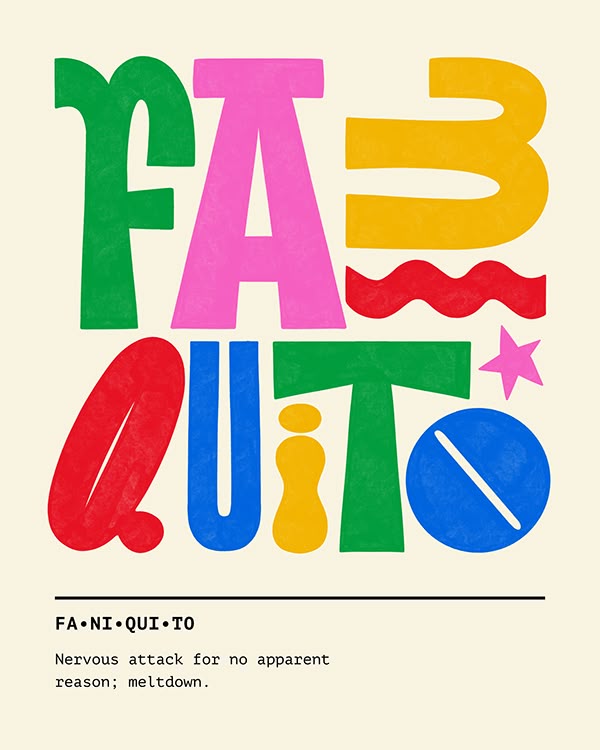

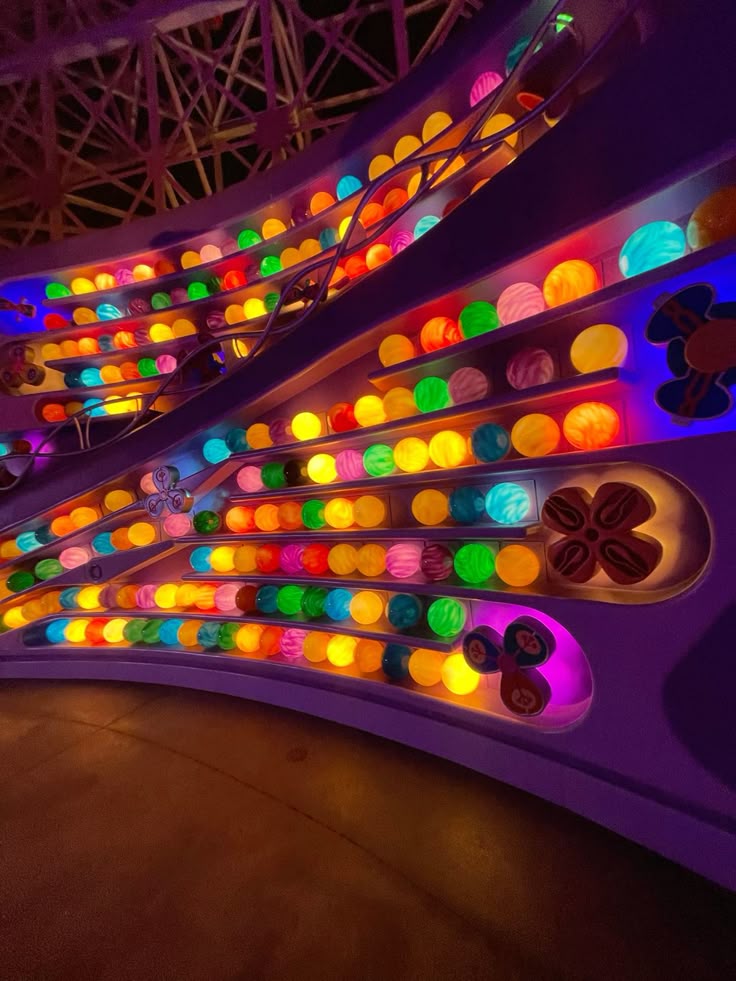

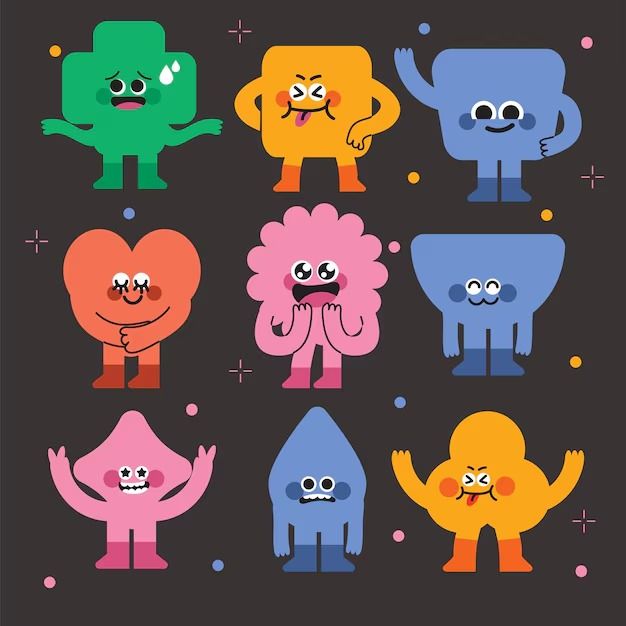
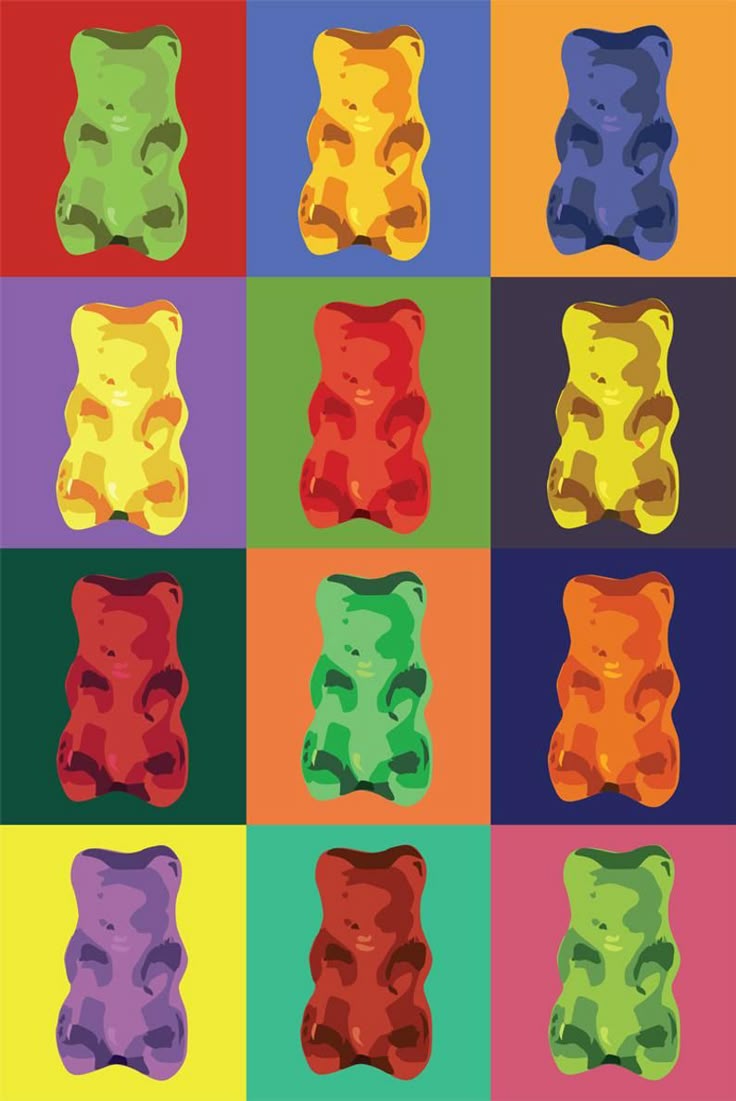

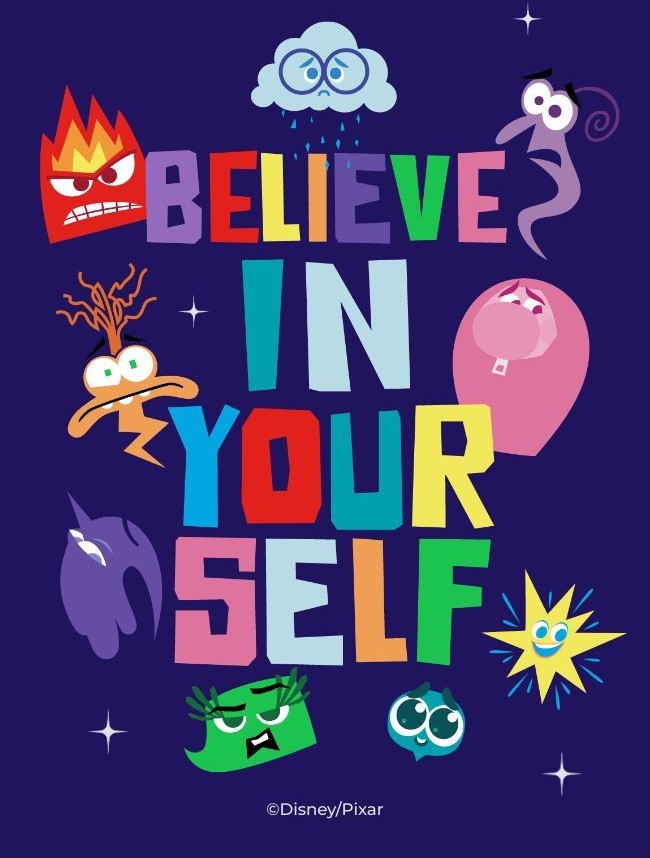
Character Exploration
Different visual styles were explored to represent emotions in a way that feels expressive, simple, and easy to connect with.


Early Concepts & Sketching
To make emotions feel expressive and relatable, different character styles were explored based on the visual direction. The goal was to create emotional representations that feel simple, engaging, and easy to connect with.

Exploring the Control & Interaction System
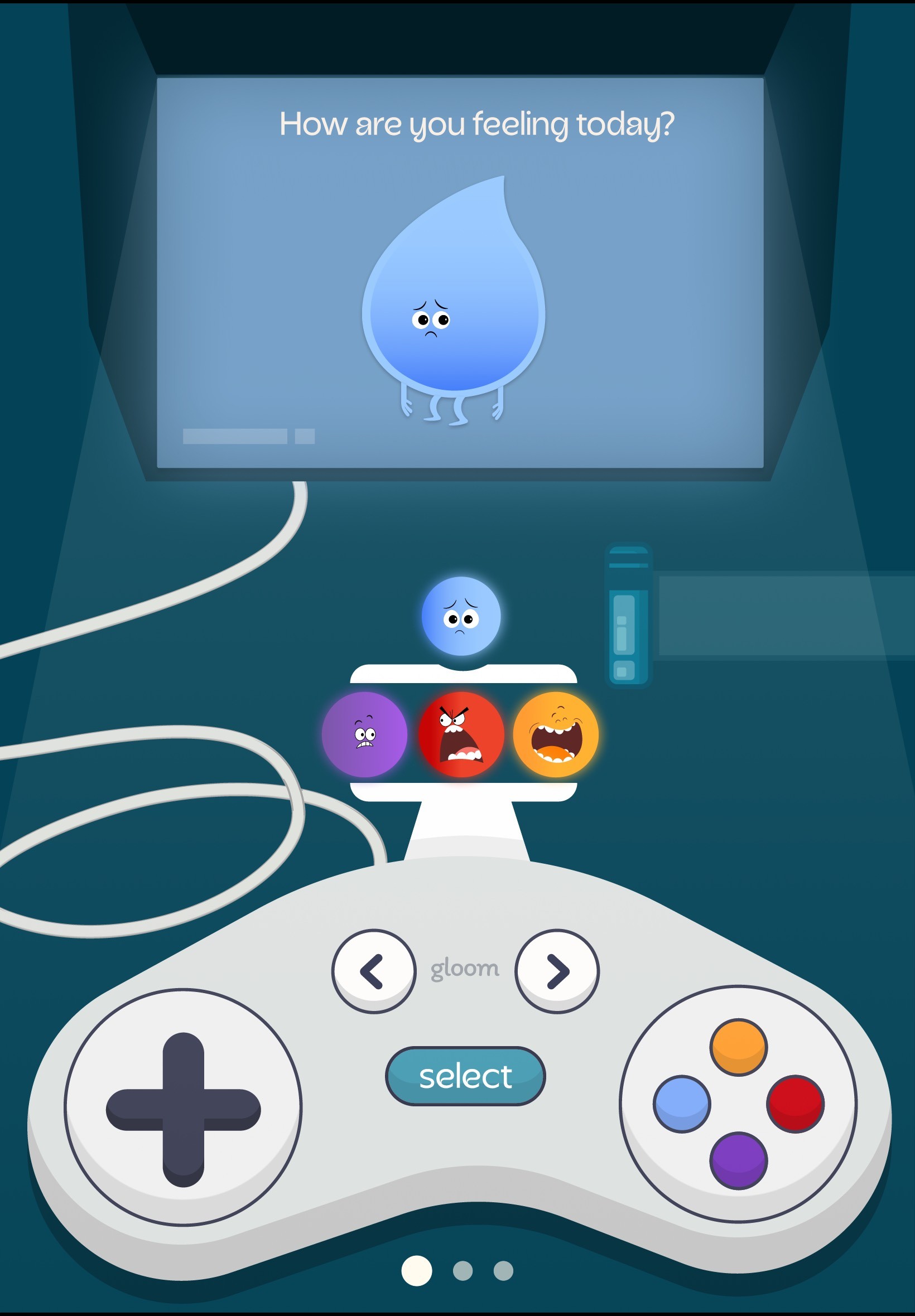
Explored a control-based interface where users actively navigate and select emotional states. This introduced the idea of giving users a sense of control and agency within the emotional experience rather than passively logging moods.
Mapping the Flow of Emotions
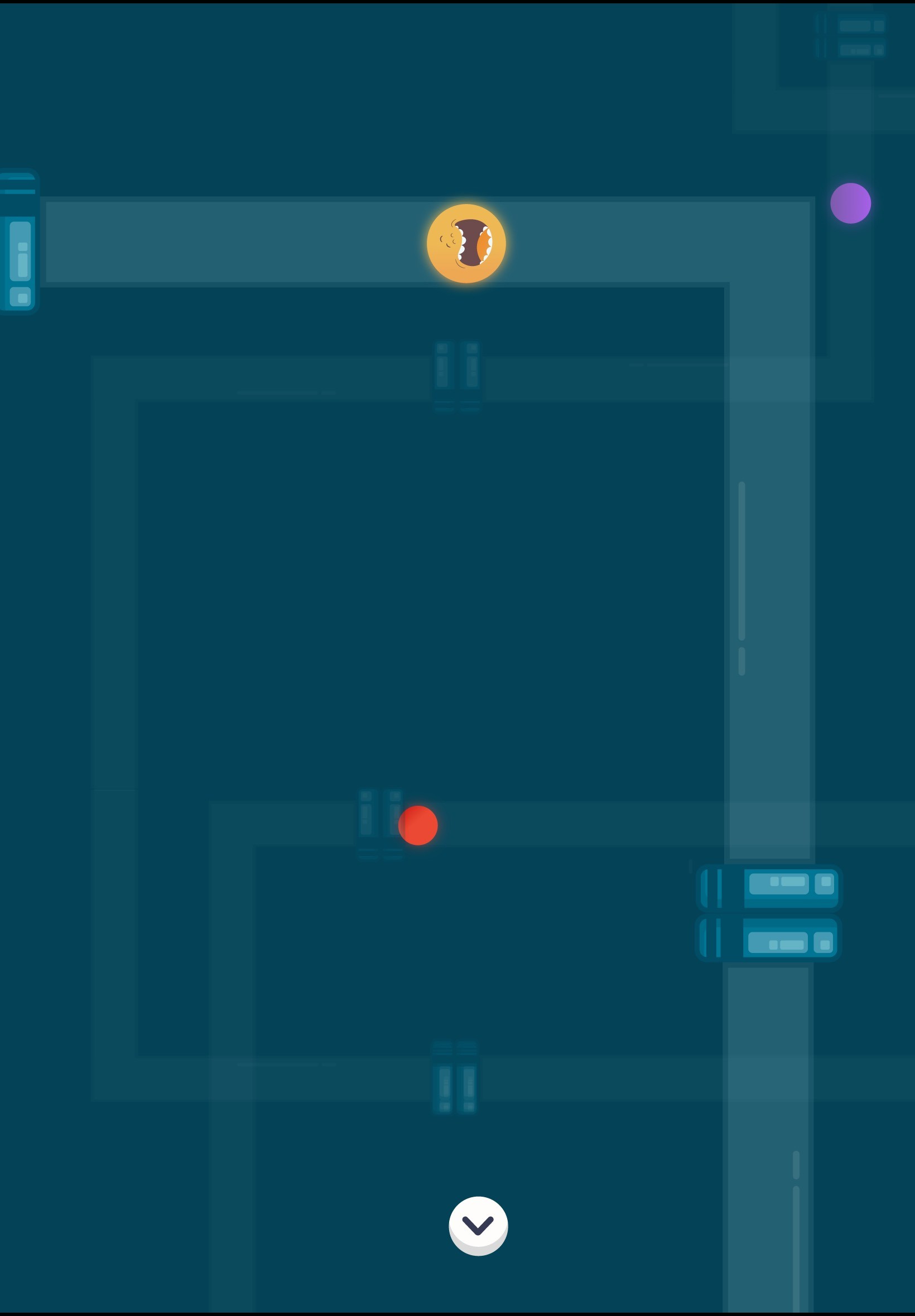
The concept evolved into a connected system where emotions travel through pathways, moving from selection to expression and eventually into storage.
This exploration led to the idea of a continuous flow, where journaling becomes a natural extension of the emotional journey rather than a separate step.

The Experience Flow

Final Experience Design
The final experience transforms mood tracking into an interactive journey where emotions are selected, experienced, and expressed before being stored as meaningful memories.
01 Emotion Selection

Users begin by selecting how they feel through expressive, character-driven states. The interaction mimics a control panel, making the experience playful and intentional rather than passive.


02 Emotion in motion

03 Expression Through Journaling
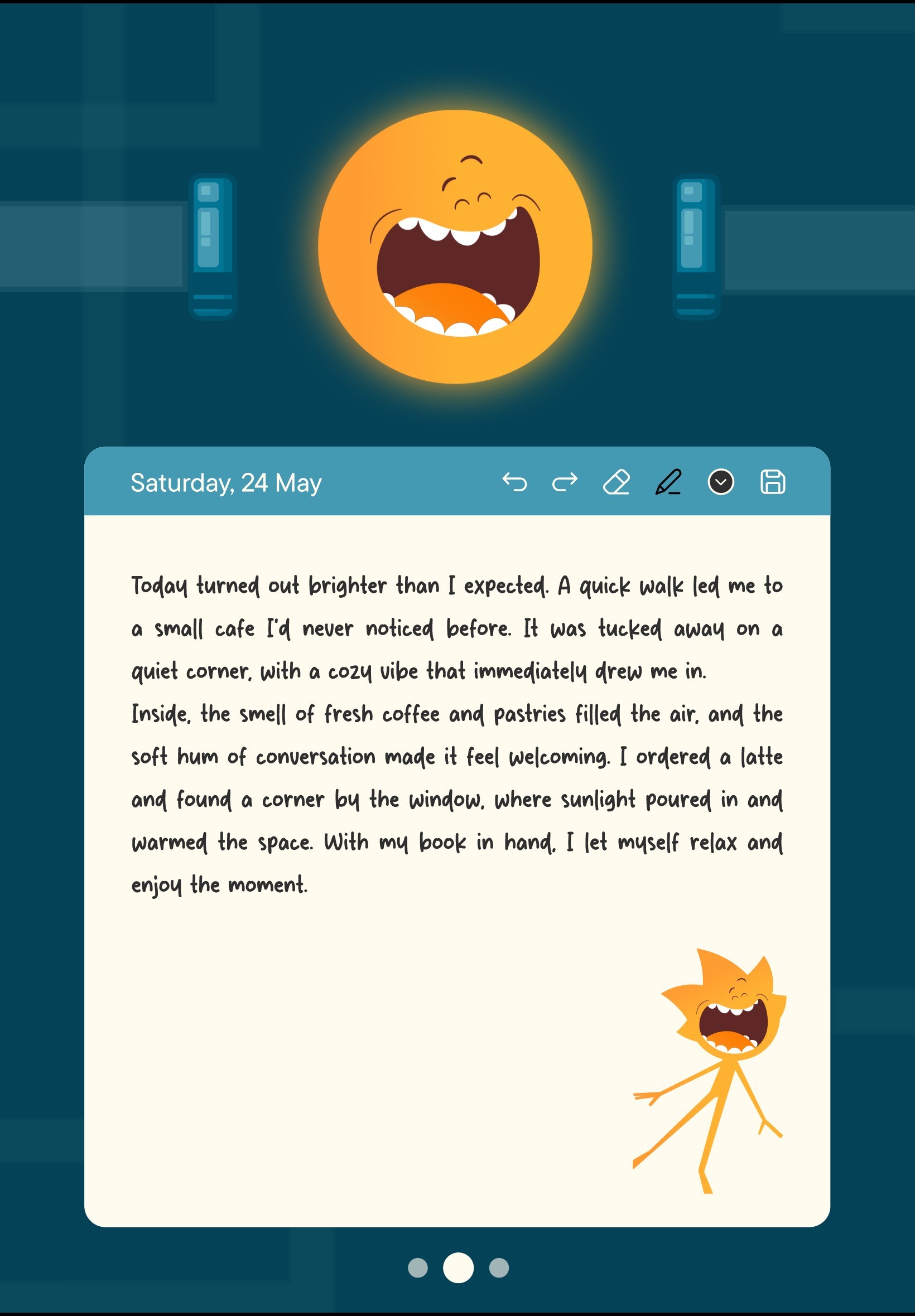
Users are encouraged to express why they feel a certain way, turning emotions into reflective narratives rather than isolated entries.
This step creates space for articulation, helping users move beyond simply identifying emotions to understanding them.
04 Memory Visualization
Each emotion is stored as a visual memory, allowing users to revisit and recognize patterns over time.
Instead of static logs, these entries form a living timeline that reflects emotional rhythms, making patterns more visible and easier to understand.

05 Revisiting Emotions

Past emotions can be revisited as experiences, helping users reconnect with their thoughts and reflect more meaningfully.
This creates a sense of continuity, where previous moments are not just archived but remain accessible for reflection, learning, and personal growth.
The Interactive Experience
The final experience brings together interaction, motion, and reflection into a cohesive emotional journey.
What begins as a simple selection evolves into something more expressive, where users actively engage with their emotions rather than passively recording them.
By introducing movement, character, and continuity, mood tracking becomes more intuitive, engaging, and meaningful over time.
*The video might take a few seconds to load*
05
Outcome and Impact
The experience redefines mood tracking as an interactive and expressive journey.
01 Expression Beyond Labels
Users articulate why they feel a certain way, not just what they feel
02 Emotion as a Journey
Emotions move, evolve, and connect instead of existing as isolated entries
03 Increased Engagement
Playful interaction and motion make the experience more engaging and intuitive
04 Meaningful Memory System
Entries are stored as visual moments, building a continuous emotional timeline
Experience Shift
Static → Interactive
Isolated → Connected
Logging → Reflection
Task → Experience
explore more

